
Quick Verdict
If you don't play Magic, the safest gifts are the things every player uses regardless of what they collect: sleeves, a deck box, counters, and a binder. The riskiest gift is a specific card or a themed product tied to a set they may not care about. Under $15 buys something genuinely useful; around $50 buys a complete gift; a booster box is almost never the right call.
CARD SLEEVES
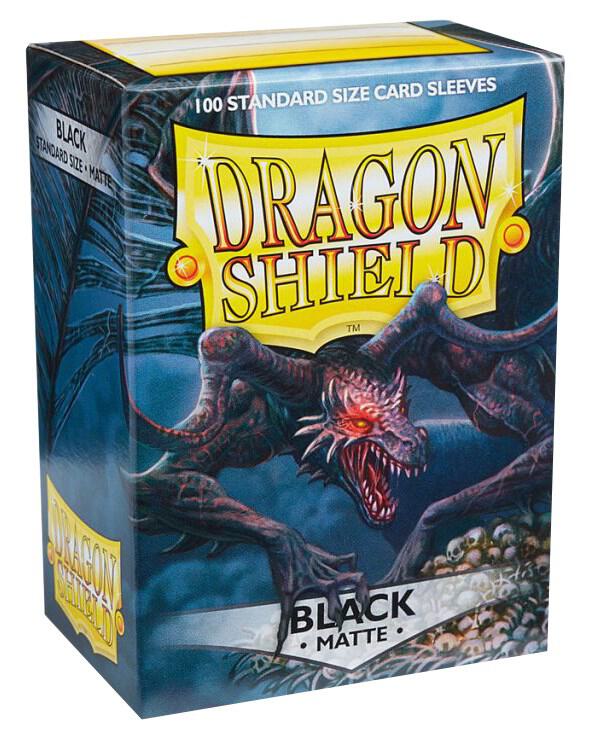
Dragon Shield Matte Sleeves (100-Pack)
The safest gift in this guide - every player uses sleeves and they wear out
- ✓The community default: matte finish shuffles well and does not stick
- ✓Consumable, so it is never a duplicate of something they own
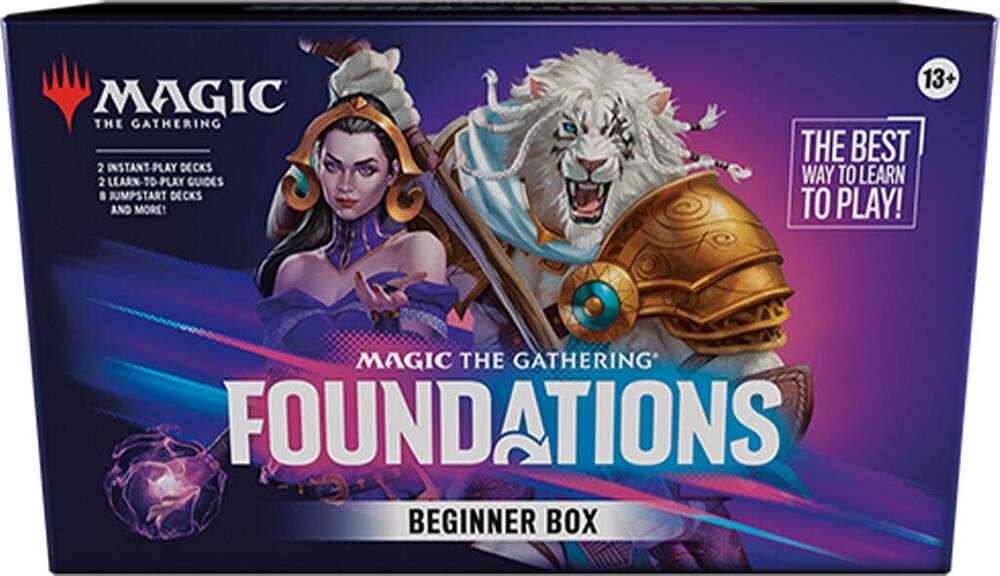
Magic: The Gathering Foundations Beginner Box
Best complete gift - everything two people need to actually start playing
- ✓Self-contained: no other purchase needed to play
- ✓Foundations stays tournament-legal through at least 2029, so it will not go stale
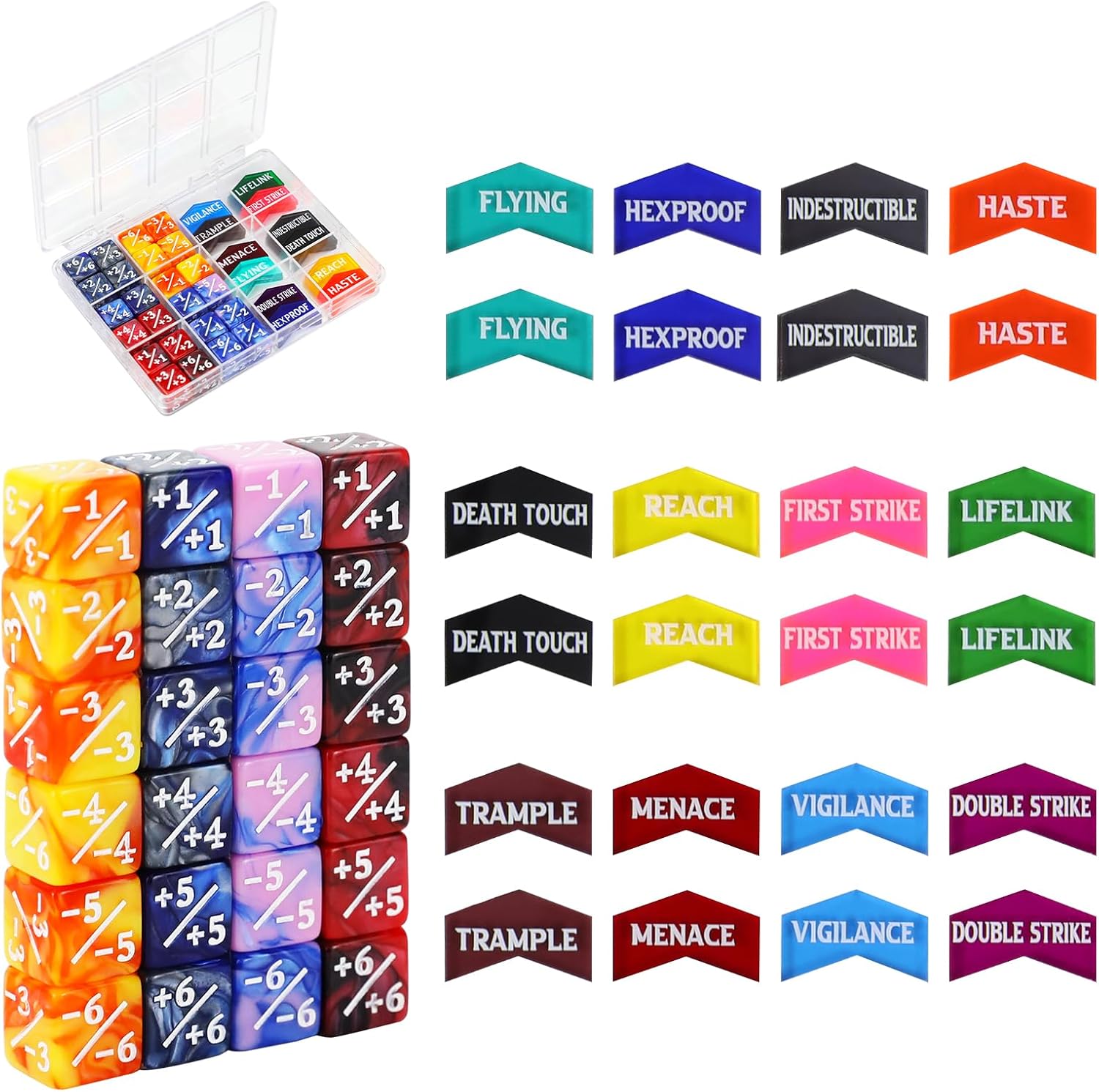
MTG Counter Dice and Keyword Token Set (48 Pieces)
Best under $25 - solves a problem every player has and few buy for themselves
- ✓+1/+1 through +6/+6 and -1/-1 through -6/-6 dice in one box
- ✓Includes keyword tokens for flying, deathtouch, lifelink, trample and more
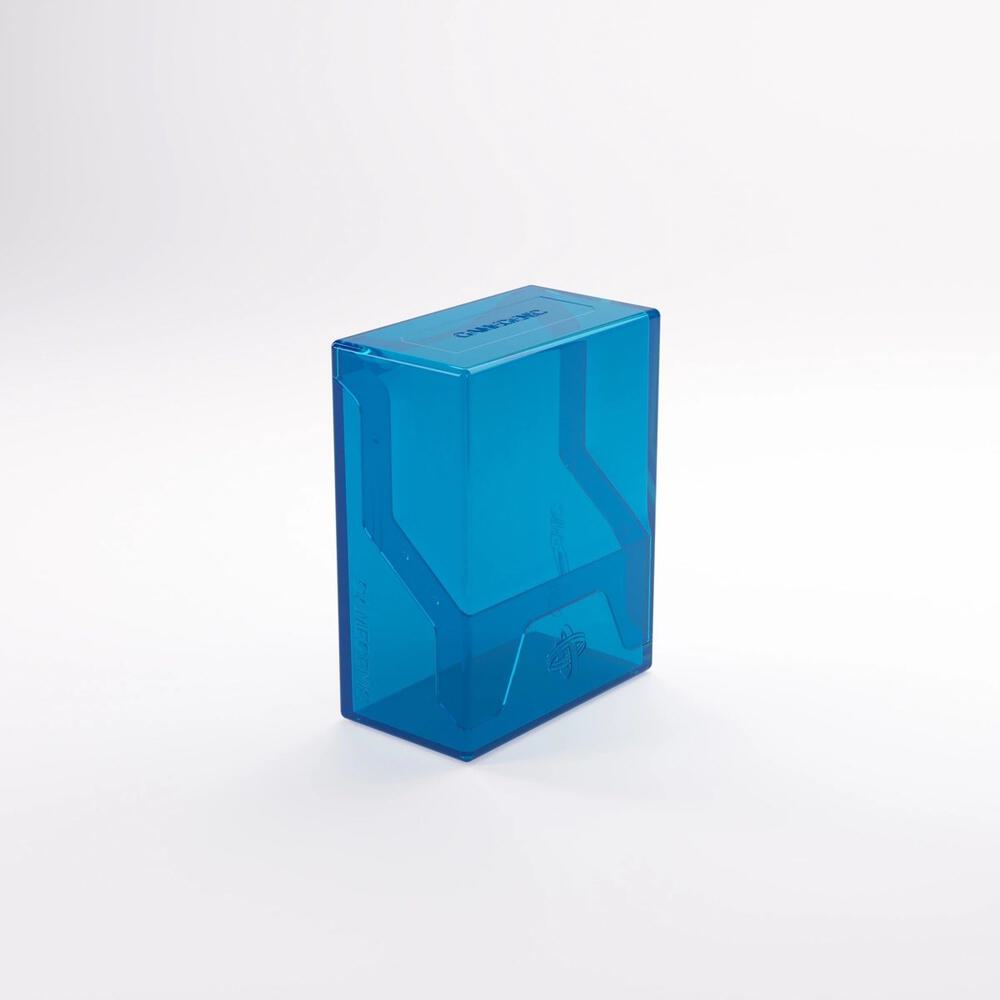
GameGenic Bastion 50+ Deck Box
Best cheap upgrade - most players carry decks in the box they came in
- ✓Holds a sleeved 50-card deck with room for tokens
- ✓Rigid shell, unlike the cardboard most decks travel in
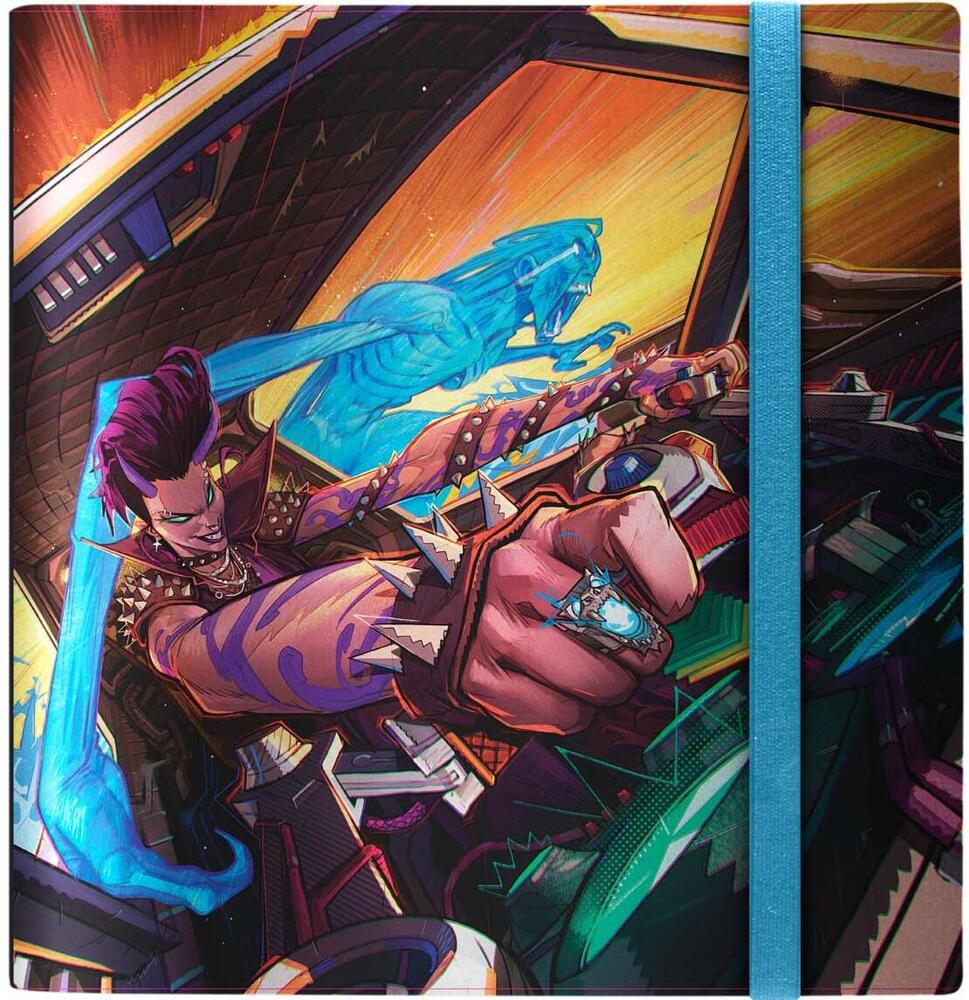
12-Pocket Zippered Collector Binder
Best for a collector - the gift for someone with cards in a shoebox
- ✓Zippered, so cards cannot fall out in a bag
- ✓12 pockets per page stores a large collection in one book
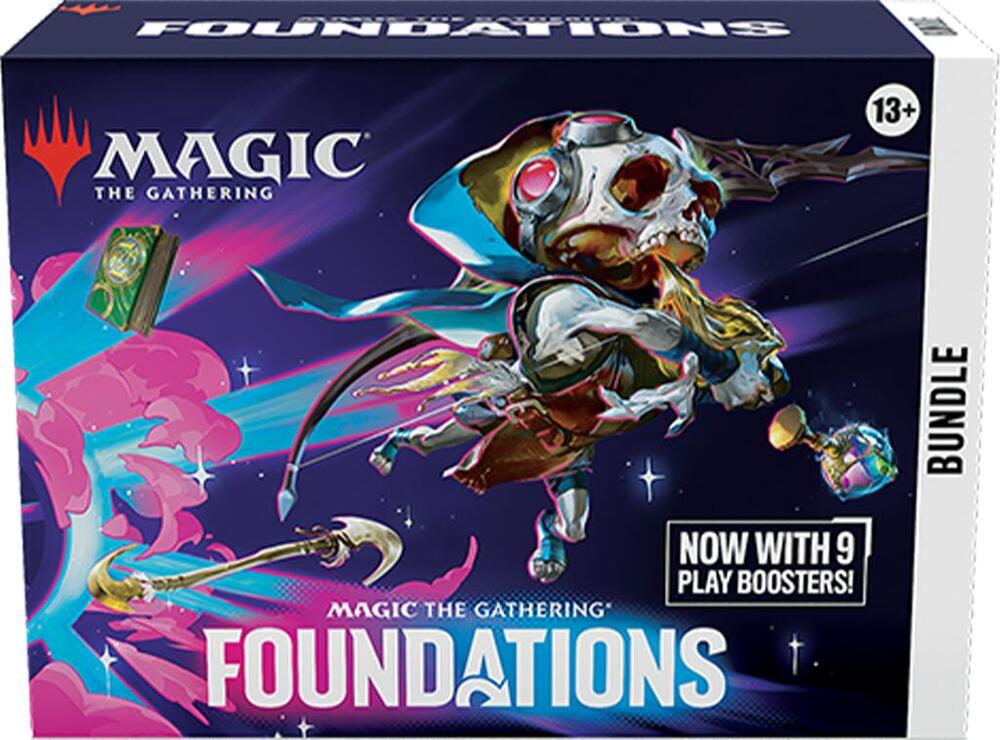
Magic: The Gathering Foundations Bundle
Best gift above $100 - far better value than a booster box at the same price
- ✓Booster packs plus lands, a spindown die, and a storage box
- ✓Gives a mix of opening excitement and usable accessories
SAFETY TECHNOLOGY Expert Analysis.
If you are reading this, you probably do not play Magic: The Gathering and someone you know does. That is genuinely the hardest position to buy from, because Magic looks like it is all about the cards — and cards are the one thing you almost certainly should not buy.
This guide is written for that situation. Everything below is chosen so that it works without knowing which cards they own, which colours they play, or which format they prefer.
The one-line answer
Buy sleeves. Every Magic player uses them, they wear out and get replaced, and they cannot be a duplicate of something they already have. A 100-pack of Dragon Shield Matte costs about $11 and is the closest thing to a guaranteed-correct Magic gift.
Why not cards?
It is the obvious instinct and it is the main way gift-buying goes wrong here.
A Magic card is only useful if it fits the deck someone is building. Decks are limited by colour, by format, and by the specific strategy the player has chosen. A card outside those constraints is not a lesser gift — it is an unusable one. It goes in a box.
There are roughly 30,000 unique Magic cards. The chance of picking one that fits a deck you have never seen is close to zero.
Accessories have the opposite property. Every player sleeves their cards, carries them in something, tracks life totals, and marks counters. Those needs do not depend on what they collect.
What to buy, by budget
Under $15 — genuinely useful, low risk
This is the sweet spot for a gift where you are unsure. Items here are used in literally every game.
Sleeves (~$11) are protective plastic covers. Players sleeve decks both to protect cards and so the backs look identical when shuffling. They wear out and get replaced, which is why they cannot be a duplicate. Buy standard size — Japanese and small sizes fit a different game entirely. Matte finish is preferred over gloss because it shuffles without sticking. Black is the safe colour.
A deck box (~$13) is where the deck lives. Most players carry decks in whatever cardboard the product came in, long after it has started falling apart, because a deck box is exactly the sort of thing you do not buy for yourself.
A spindown die (~$5) is a 20-sided die with the numbers running in order rather than scattered, so nudging it one face changes the number by one. Players use them to track life. They are cheap enough to include alongside something else.
Sleeves come in sizes, and the wrong one is useless
Magic uses standard size, sometimes labelled 66×91mm. "Japanese size" or "small size" sleeves are for games like Yu-Gi-Oh and will not fit. This is the single most common mistake in buying Magic accessories.
$20 to $30 — the thoughtful tier
Things a player would use constantly but rarely gets around to buying.
A counter and token set (~$21) solves a real, visible annoyance. Many Magic cards get permanently stronger during a game, and players track that with whatever is to hand — coins, scraps of paper, random dice. A proper set with +1/+1 dice and printed keyword tokens replaces that mess. If you have watched them play and seen loose change on the table, this is the gift.
A binder (~$29) is for collectors rather than players. If their cards live in a shoebox or a stack of deck boxes, a zippered binder is the upgrade. Look for side-loading pages, which do not drop cards when the binder is tilted.
Around $50 — a complete gift
A Beginner Box (~$52) is the right answer if the person is new, curious, or has mentioned wanting to learn. It contains everything two people need to start playing, including instructions that assume no prior knowledge. It is also a good gift for a couple or a household rather than an individual.
The current one is built on Foundations, which is a deliberately evergreen set — it stays tournament-legal through at least 2029, so it will not become outdated the way a seasonal set would.
Above $100 — proceed carefully
This is where most gift money gets wasted, so it is worth being precise.
The booster box is the trap. It is the most expensive-looking option and the most intuitive — more packs, more cards, better gift. In practice a box is a bet on randomness, and on average the cards inside are worth less than the box costs. If your budget is $110, a Bundle gives a similar opening experience plus things they keep, and a Beginner Box gives a complete one.
Where to buy, and why it matters more than usual
Magic accessories have an unusual pricing problem: on general marketplaces, most of these products are listed by third-party resellers rather than the retailer, at prices far above normal.
At the time of writing, checking the same products across sites:
Check the price against a specialist retailer first
The listings above are real, checked on the same day. A gift-buyer who does not know what these products normally cost has no way to spot a 3x markup — the listing looks completely ordinary. Before buying any Magic accessory, check the same item at a card-game specialist such as TCGplayer or Card Kingdom. It takes thirty seconds and frequently saves more than the gift is worth.
Prices in this guide were checked on 18 August 2026 and will drift. Treat them as a reference point for spotting a bad listing rather than as fixed values.
What to avoid
A specific card, unless they have literally named it to you. See above.
A booster box, unless they have specifically asked. It is the most common expensive mistake.
Anything tied to a crossover set — Magic regularly releases sets themed on outside franchises. These are divisive. A player who dislikes them will not want the product, and you have no way of knowing which camp they are in.
Sleeves in the wrong size. Standard size only.
"Mystery" or repackaged card lots from general marketplaces. These are almost always assembled from bulk commons and are worth a fraction of the asking price.
Buying for someone who has played for years
Long-time players are easier than they seem, because they own worn-out versions of everything basic and never upgrade.
- A premium binder. Their collection is probably in something held together by habit.
- A playmat. A soft mat that protects cards during play. Most players use whatever came free at an event.
- A full counter set. Even experienced players track counters with loose change.
- Sleeves, again. Sleeves are consumable. There is no such thing as too many.
What not to do is buy them cards. At that level they know exactly what their deck needs, and they have already priced it.
Quick reference
Do not know anything about them: sleeves, ~$11. Want it to feel like a real gift: sleeves plus a deck box, ~$25. They are curious but do not play yet: Beginner Box, ~$52. They play a lot already: counter and token set, ~$21, or a binder, ~$29. Budget above $100: a Bundle, not a booster box. They mentioned a specific card: buy that card, and only that card.
Keep Reading
- Best MTG Card Sleeves — brand-by-brand comparison if you want to go deeper than "buy Dragon Shield"
- Best MTG Deck Boxes — sizing guide, including what fits a 100-card Commander deck
- The Complete Guide to MTG Dice and Counters — spindowns, counter dice, and what the difference actually is
- MTG Counters: Complete Guide — what all those
+1/+1markers actually do - How to Build an MTG Deck — useful if the gift lands well and they want to go further
- MTG Formats Explained — Commander, Standard, and why it changes what they need
Sources
- Prices checked against TCGplayer and Amazon listings on 18 August 2026
- Magic: The Gathering Foundations product information (Wizards of the Coast)
Frequently Asked Questions
🔗 Related Resources
More Reviews:
Related Articles
.jpg)
Hexproof vs Shroud MTG: The Complete Difference Explained (2026)
Hexproof vs Shroud in Magic: The Gathering — what the two abilities actually do, why they're not the same, and which one is stronger in 2026 Commander, Modern, and Standard play.
.png)
MTG Legend Rule: How Legendary Permanents Work (2026)
What happens when you control two of the same legend, what the 2013 rule change fixed, and why the legend rule is a state-based action.
.png)
MTG Persist vs Undying: The Complete Mechanic Comparison (2026)
Persist vs Undying in Magic: The Gathering — the rules, counter interactions, combo applications, and which one is stronger in 2026 Modern, Commander, and Pioneer.